Sugar Detox: Breaking the Habit and Embracing Natural Sweeteners
Table of Contents
The Dangers of Excess Sugar
Excess sugar consumption has become a widespread problem in today’s society. While sugar can be a delicious treat, indulging in too much of it can have detrimental effects on our health. Here are some of the dangers associated with consuming excessive amounts of sugar:
- Weight gain: One of the most obvious consequences of excess sugar intake is weight gain. Sugary foods and beverages are often high in calories and low in nutrients, leading to an imbalance in our energy intake. This can result in the accumulation of unwanted fat and an increased risk of obesity.
- Increased risk of chronic diseases: Studies have shown that a high sugar diet can contribute to the development of chronic diseases such as type 2 diabetes, heart disease, and certain types of cancer. Excessive sugar consumption can lead to insulin resistance, inflammation, and elevated blood sugar levels, all of which are risk factors for these conditions.
- Poor dental health: Sugar is a major culprit when it comes to dental problems. When we consume sugary foods and drinks, the bacteria in our mouths feed on the sugar and produce acids that can erode tooth enamel, leading to cavities and tooth decay.
- Energy crashes and mood swings: While sugar may provide a temporary burst of energy, it can also cause energy crashes and mood swings. Consuming large amounts of sugar can lead to rapid spikes and drops in blood sugar levels, leaving us feeling fatigued, irritable, and craving more sugar to regain energy.
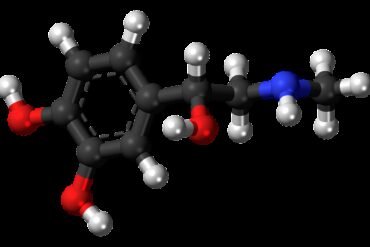
- Addiction and cravings: Sugar has been found to have addictive properties, similar to drugs. When we consume sugar, our brain releases dopamine, a feel-good chemical. Over time, this can lead to dependence and cravings for more sugar, making it difficult to break the habit.
It’s important to be mindful of our sugar intake and make conscious choices to reduce our consumption. By breaking the habit of excessive sugar consumption and embracing natural sweeteners, we can improve our overall health and well-being.
Understanding the Sugar Detox Process
Embarking on a sugar detox can be a challenging yet rewarding journey towards better health and well-being. Breaking the habit of consuming excessive amounts of sugar and embracing natural sweeteners can significantly improve your overall health, energy levels, and reduce the risk of chronic diseases such as diabetes and obesity.
Here are some key points to help you understand the sugar detox process:
- Recognizing the addiction: Sugar can be addictive, and many people experience cravings and withdrawal symptoms when reducing their intake. Understanding this addiction is the first step towards breaking free from its grip.
- Gradual reduction: Going cold turkey on sugar can be challenging for most people. Gradually reducing your sugar intake over time can make the detox process more manageable and sustainable in the long run.
- Reading labels: Sugar hides in many processed foods under various names such as sucrose, fructose, corn syrup, and more. Learning to read food labels and identifying hidden sugars is essential during the detox process.
- Replacing with natural sweeteners: As you reduce your sugar intake, it’s important to find healthier alternatives. Natural sweeteners like stevia, monk fruit, and raw honey can be used in moderation to satisfy your sweet cravings.
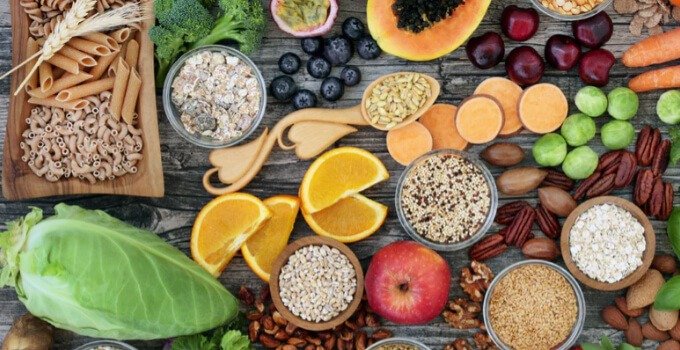
- Boosting nutrient intake: A sugar detox provides an opportunity to focus on nourishing your body with nutrient-dense foods such as fruits, vegetables, whole grains, and lean proteins. This helps restore balance and support overall well-being.
- Managing cravings: Sugar cravings are common during the detox process. Finding healthy distractions like engaging in physical activity, practicing mindfulness techniques, or enjoying a satisfying meal can help manage these cravings effectively.
- Staying hydrated: Drinking plenty of water throughout the day can aid in flushing out toxins and reducing cravings. It also helps maintain optimal bodily functions and supports the detoxification process.
- Seeking support: Going through a sugar detox can be challenging, especially in social settings where sugary treats are abundant. Seeking support from friends, family, or joining a support group can provide encouragement and accountability.
Remember, the sugar detox process is unique to each individual. It’s essential to listen to your body, be patient with yourself, and celebrate small victories along the way. Breaking the habit of excessive sugar consumption and embracing natural sweeteners can lead to a healthier, more vibrant life.
Exploring Healthier Sweetener Options
When it comes to reducing our sugar intake and embracing a healthier lifestyle, finding alternatives to traditional sweeteners is essential. Fortunately, there are several natural sweeteners available that can satisfy our sweet tooth without the negative health effects of refined sugar. Here are some healthier sweetener options to consider:
- Stevia: Stevia is a plant-based sweetener that has gained popularity in recent years. It is calorie-free and does not raise blood sugar levels, making it an excellent choice for those watching their weight or managing diabetes. Stevia is available in liquid and powder form and can be used to sweeten beverages, baked goods, and even homemade ice cream.
- Raw Honey: Raw honey is a natural sweetener with numerous health benefits. It contains antioxidants, vitamins, and minerals that can boost the immune system and promote overall well-being. However, it’s important to note that honey is still a form of sugar and should be consumed in moderation. Look for raw, unprocessed honey to enjoy its full nutritional benefits.
- Maple Syrup: Maple syrup is a delicious and nutritious alternative to refined sugar. It is made from the sap of maple trees and contains essential minerals like manganese, zinc, and calcium. Choose 100% pure maple syrup without any additives or artificial sweeteners for the best results. Use it as a topping for pancakes, waffles, or as a sweetener in recipes.
- Coconut Sugar: Coconut sugar is derived from the sap of coconut palm trees. It has a lower glycemic index compared to regular sugar, meaning it doesn’t cause a rapid spike in blood sugar levels. Coconut sugar also contains small amounts of vitamins and minerals. Use it as a one-to-one replacement for white or brown sugar in your favorite recipes.
- Dates: Dates are a natural fruit that can be used as a sweetener in various dishes. They are rich in fiber, potassium, and antioxidants. Dates can be blended into smoothies, used as a natural sweetener in energy bars, or added to baked goods for a touch of sweetness and moisture.
Experimenting with these healthier sweetener options can help you break free from the habit of consuming excessive amounts of refined sugar. Remember, moderation is key, and it’s always best to consult with a healthcare professional or nutritionist for personalized advice on incorporating natural sweeteners into your diet.
Tips for Breaking the Sugar Habit
Breaking the sugar habit can be challenging, but with the right strategies and mindset, you can successfully embrace natural sweeteners and reduce your sugar intake. Here are some helpful tips to get you started:
- Set clear goals: Define why you want to break your sugar habit. Whether it’s to improve your overall health, lose weight, or reduce cravings, having a clear goal will keep you motivated.
- Read labels: Be mindful of hidden sugars in processed foods by reading labels. Look for ingredients like high-fructose corn syrup, sucrose, and dextrose, which are all forms of added sugars.
- Choose whole foods: Opt for whole foods that are naturally sweet, like fruits and vegetables. They provide essential nutrients and fiber, which can help satisfy your sweet tooth without the negative effects of refined sugars.
- Gradually reduce sugar intake: Instead of going cold turkey, gradually reduce your sugar intake. Start by cutting back on sugary beverages like soda and gradually decrease the amount of sugar you add to your coffee or tea.
- Experiment with natural sweeteners: Explore natural sweeteners like honey, maple syrup, and stevia to satisfy your sweet cravings. These options are less processed and provide additional nutrients compared to refined sugars.
- Stay hydrated: Sometimes, we mistake thirst for hunger or sugar cravings. Stay hydrated by drinking enough water throughout the day to reduce the likelihood of reaching for sugary snacks.
- Find healthy alternatives: Instead of indulging in sugary desserts, experiment with healthier alternatives like fruit salads, smoothies, or homemade treats using natural sweeteners.
- Practice mindful eating: Pay attention to your body’s hunger and fullness cues. Slow down while eating, savor each bite, and listen to your body’s signals to avoid mindless snacking on sugary foods.
- Seek support: Breaking the sugar habit can be easier when you have support. Seek out friends, family, or online communities who share similar goals and can provide encouragement along the way.
Remember, breaking the sugar habit takes time and patience. Be kind to yourself and celebrate small victories along the way. Embracing natural sweeteners will not only benefit your health but also help you discover a variety of delicious flavors and alternatives to satisfy your sweet tooth.
Embracing the Benefits of Natural Sweeteners
When it comes to breaking the habit of consuming excessive sugar, one of the best strategies is to embrace natural sweeteners. These alternatives not only provide a healthier option but also offer additional benefits that can enhance your overall well-being. Here are some reasons why you should consider incorporating natural sweeteners into your diet:
- Lower Glycemic Index: Natural sweeteners like honey, maple syrup, and coconut sugar have a lower glycemic index compared to refined sugar. This means they have a slower impact on blood sugar levels, preventing spikes and crashes that can lead to energy fluctuations and mood swings.
- Nutritional Value: Unlike refined sugar, natural sweeteners contain trace amounts of vitamins, minerals, and antioxidants. For example, honey is rich in antioxidants that can help boost your immune system, while maple syrup provides minerals like manganese and zinc.
- Less Processing: Natural sweeteners are minimally processed, retaining more of their original nutrients. On the other hand, refined sugar undergoes extensive processing, which strips it of any beneficial compounds and results in empty calories.
- Flavor and Variety: Natural sweeteners offer a wide range of flavors that can add depth and complexity to your dishes. For instance, using date paste or pureed bananas can provide a natural sweetness with a hint of caramel flavor, while stevia can be used as a zero-calorie alternative.
- Reduced Cravings: By switching to natural sweeteners, you can gradually reduce your cravings for overly sweet foods. The more you incorporate these alternatives into your diet, the less you will rely on the intense sweetness of refined sugar.
Remember, moderation is key when it comes to consuming any type of sweetener, including natural ones. While they offer numerous benefits, they still contribute to your overall daily sugar intake. Be mindful of portion sizes and listen to your body’s needs.
By embracing the benefits of natural sweeteners, you can successfully break the habit of excessive sugar consumption and enjoy a healthier, more balanced lifestyle. Experiment with different options and discover the natural sweetness that nature has to offer.