Sweet Treats Without Regret: Healthy Baking and Dessert Alternatives
Table of Contents
- “Exploring Natural Sweeteners: Healthier Options for Your Baking”
- “Delicious and Nutritious: Incorporating Whole Grains in Dessert Recipes”
- “Indulge in Guilt-Free Goodness: Low-Fat and Low-Sugar Dessert Alternatives”
- “Satisfying Your Sweet Tooth: Creative Ways to Use Fruit in Baking”
- “Decadent yet Nourishing: Sneaking in Healthful Ingredients in Dessert Recipes”
Exploring Natural Sweeteners: Healthier Options for Your Baking
When it comes to baking and satisfying your sweet tooth, there are plenty of natural sweeteners that can be used as healthier alternatives to refined sugar. These natural sweeteners not only provide sweetness but also offer additional nutrients and health benefits. Here are some options to consider for your next baking adventure:
- Raw Honey: With its distinct flavor and natural sweetness, raw honey is a popular choice for baking. It contains antioxidants and enzymes that can aid digestion and boost the immune system. When substituting honey for sugar, use 1/2 to 3/4 cup of honey for every cup of sugar and reduce the liquid in the recipe by 1/4 cup.
- Maple Syrup: Made from the sap of maple trees, maple syrup is another natural sweetener that adds a rich, caramel-like flavor to baked goods. It contains minerals like manganese and zinc, which provide antioxidant and anti-inflammatory benefits. Substitute maple syrup for sugar in a 1:1 ratio, but reduce the liquid in the recipe by about 3-4 tablespoons.
- Coconut Sugar: Derived from the sap of coconut palm trees, coconut sugar has a subtle caramel flavor and is rich in minerals like potassium, iron, and zinc. It has a lower glycemic index compared to regular sugar, meaning it causes a slower rise in blood sugar levels. You can substitute coconut sugar for white or brown sugar in a 1:1 ratio.
- Stevia: Stevia is a zero-calorie natural sweetener extracted from the leaves of the Stevia rebaudiana plant. It is much sweeter than sugar, so a little goes a long way. Stevia is available in powdered or liquid form and can be used as a sugar substitute in baking. Follow the package instructions for the appropriate conversion ratio.
- Dates: Dates are a naturally sweet fruit that can be used to sweeten baked goods. They are high in fiber, potassium, and antioxidants. To use dates as a sweetener, soak them in hot water until soft, then blend them into a paste and use as a substitute for sugar in a 1:1 ratio.
When using natural sweeteners in baking, keep in mind that they may affect the texture and moisture of your baked goods. It may require some experimentation and adjustments to achieve the desired results. Additionally, while these natural sweeteners offer some health benefits, they should still be consumed in moderation as part of a balanced diet.
By incorporating these natural sweeteners into your baking, you can enjoy sweet treats without the guilt, knowing that you are making healthier choices for yourself and your loved ones.
Delicious and Nutritious: Incorporating Whole Grains in Dessert Recipes
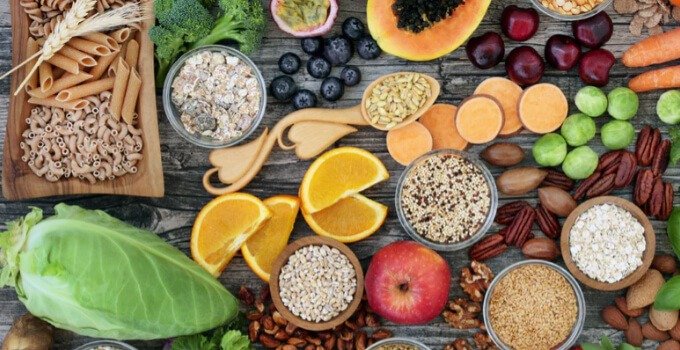
When it comes to baking and indulging in sweet treats, many people worry about the impact on their health and waistline. However, by incorporating whole grains into your dessert recipes, you can enjoy delicious and nutritious treats without any regrets. Whole grains are packed with fiber, vitamins, and minerals, making them a healthier alternative to refined grains typically used in desserts. Here are some simple yet tasty ways to incorporate whole grains into your favorite desserts:
- Swap out refined flour with whole grain flour: Replace all-purpose flour with whole wheat flour or other whole grain flours like spelt or oat flour. These options provide a nutty flavor and a boost of fiber to your baked goods.
- Add oats to your recipes: Rolled oats or oat flour can be a great addition to cookies, muffins, and crumbles. Not only do they add texture, but they also increase the fiber content and provide a heart-healthy ingredient.
- Experiment with alternative grains: Try using ancient grains like quinoa, amaranth, or teff in your dessert recipes. These grains are not only rich in fiber but also offer unique flavors and textures, adding a delightful twist to your treats.
- Use whole grain cereals or granola: Crushed whole grain cereals or granola can be a fantastic topping for fruit crisps, yogurt parfaits, or even ice cream sundaes. They provide a satisfying crunch while adding whole grain goodness.
- Incorporate whole grain bread crumbs: Instead of using regular bread crumbs in your dessert recipes, opt for whole grain bread crumbs. These can be used in crusts, coatings, or as toppings, adding a healthy boost to your creations.
Remember, incorporating whole grains into your dessert recipes doesn’t mean sacrificing taste. In fact, whole grains can enhance the flavor and texture of your treats while adding valuable nutrients. So, the next time you crave something sweet, experiment with these whole grain alternatives and enjoy guilt-free indulgence!
Indulge in Guilt-Free Goodness: Low-Fat and Low-Sugar Dessert Alternatives
When it comes to satisfying our sweet tooth, many of us feel guilty about indulging in traditional desserts that are often loaded with unhealthy fats and sugars. However, there is good news for dessert lovers who are watching their waistlines – you can still enjoy delicious treats without compromising your health goals. Here are some guilt-free alternatives to traditional desserts that are low in both fat and sugar:
- Fruit-based desserts: Nature’s own sweet treats, fruits are packed with vitamins, minerals, and fiber. Incorporate fresh or frozen fruits into your desserts for a naturally sweet flavor. Try making a refreshing fruit salad, a fruity yogurt parfait, or a delicious berry smoothie.
- Dark chocolate delights: Dark chocolate contains less sugar than milk chocolate and is rich in antioxidants. Enjoy a small piece of dark chocolate on its own or incorporate it into recipes like chocolate-covered strawberries or homemade granola bars.
- Healthy baking substitutes: You can still enjoy your favorite baked goods by making some simple substitutions. Replace butter or oil with unsweetened applesauce or mashed bananas to reduce the fat content. Opt for whole wheat flour or almond flour instead of refined white flour to increase the fiber content.
- Frozen yogurt or sorbet: Instead of reaching for ice cream, try frozen yogurt or sorbet as a lighter alternative. Look for options that are low in added sugars and high in natural flavors. You can also make your own frozen treats using Greek yogurt, fresh fruits, and a touch of honey.
- Protein-packed desserts: Incorporate protein-rich ingredients like Greek yogurt, cottage cheese, or nut butter into your desserts. This will not only add a creamy texture but also help keep you feeling satisfied. Try making protein balls, chia seed pudding, or a high-protein smoothie.
Remember, moderation is key even when indulging in healthier desserts. While these alternatives are lower in fat and sugar, they still contain calories. Enjoy these guilt-free treats as part of a balanced diet and listen to your body’s signals of satisfaction. With these low-fat and low-sugar options, you can satisfy your sweet tooth without any regret.
Satisfying Your Sweet Tooth: Creative Ways to Use Fruit in Baking
When it comes to satisfying your sweet tooth while maintaining a healthy lifestyle, incorporating fruit into your baking can be a game-changer. Fruit not only adds natural sweetness to your desserts but also provides essential vitamins, minerals, and fiber. Here are some creative ways to use fruit in your baking creations:
- Fruit Purees: Replace butter or oil in your recipes with fruit purees, such as applesauce or mashed bananas. These alternatives add moisture and natural sweetness to your baked goods while reducing the fat content.
- Dried Fruit: Chop up dried fruit, like dates or raisins, and add them to your muffins, cookies, or bread. They will not only lend a burst of flavor but also add a delightful chewy texture.
- Berry Bliss: Berries are a fantastic addition to any baked treat. Whether you choose strawberries, blueberries, raspberries, or a mix, they bring vibrant colors and juicy bursts of flavor. Fold them into your pancake or waffle batter, sprinkle them on top of your oatmeal bars, or toss them into your muffin batter.
- Citrus Zest: Citrus fruits, such as lemons, limes, and oranges, provide a refreshing and tangy flavor. Grate the zest of these fruits and add it to your cakes, cookies, or scones for an instant burst of citrusy goodness.
- Grilled Fruit: Take your desserts to the next level by grilling fruit like peaches, pineapples, or plums. The heat caramelizes the natural sugars, intensifying their sweetness. Serve grilled fruit as a topping on cakes, yogurt, or ice cream.
- Fruit Compotes: Simmer fruits with a little water and sweetener to create a luscious fruit compote. Drizzle it over your cakes, swirl it into your cheesecake batter, or use it as a filling for pies and turnovers.
- Frozen Fruit Treats: Blend frozen fruit with a little yogurt or milk to make a healthy alternative to ice cream. You can also freeze fruit purees into popsicles or make fruity sorbets for a guilt-free indulgence.
By incorporating fruit in these creative ways, you can add natural sweetness, moisture, and nutrition to your baked goods. These alternatives not only make your desserts healthier but also enhance the flavors and textures. So, go ahead and experiment with fruit in your baking creations to satisfy your sweet tooth without any regrets!
Decadent yet Nourishing: Sneaking in Healthful Ingredients in Dessert Recipes
Indulging in a sweet treat doesn’t have to mean sacrificing your health goals. By incorporating nourishing ingredients into your dessert recipes, you can satisfy your cravings while still providing your body with valuable nutrients. Here are some tips for creating decadent, yet nourishing desserts:
- Swap refined sugars for natural sweeteners: Instead of using white sugar, experiment with alternatives like honey, maple syrup, or dates. These natural sweeteners not only add sweetness but also provide additional minerals and antioxidants.
- Add fruits and vegetables: Sneak in extra nutrients by incorporating fruits and vegetables into your desserts. Pureed sweet potatoes or avocados can add a creamy texture to baked goods, while mashed bananas or applesauce can serve as a natural sweetener and binder.
- Use whole grain flours: Replace refined flours with whole grain options like whole wheat or oat flour. These flours retain more nutrients, such as fiber, vitamins, and minerals, contributing to a healthier dessert.
- Include nuts and seeds: Adding chopped nuts or ground seeds to your desserts not only adds a delicious crunch but also provides healthy fats, protein, and additional vitamins and minerals. Consider using almond flour or ground flaxseeds as alternatives to traditional flours.
- Experiment with alternative dairy options: If you’re looking to reduce dairy consumption, consider using plant-based milk or yogurt alternatives made from almonds, oats, coconut, or soy. These options can still provide creaminess and richness to your desserts.
- Boost with superfoods: Incorporate nutrient-dense superfoods like chia seeds, goji berries, cacao nibs, or matcha powder into your dessert recipes. These ingredients not only add a nutritional punch but also bring unique flavors and textures to your treats.
By incorporating these tips into your dessert recipes, you can enjoy guilt-free indulgence without compromising on taste. Remember, balance is key, and it’s important to listen to your body’s cravings while nourishing it with wholesome ingredients. So go ahead, whip up a batch of decadent yet nourishing desserts, and savor every bite!