The Power of Plants: Meatless Meals for a Healthy Planet and You
Table of Contents
The Benefits of Plant-Based Diets
Plant-based diets, which focus on consuming whole foods derived from plants, have gained significant popularity in recent years. Not only are they beneficial for our health, but they also have a positive impact on the environment. Here are some of the key benefits of adopting a plant-based diet:
- Improved heart health: Plant-based diets are low in saturated fats and cholesterol, which can help reduce the risk of cardiovascular diseases. They are also rich in fiber, vitamins, and minerals that support a healthy heart.
- Weight management: Plant-based diets are generally lower in calories and higher in fiber, which can aid in weight loss and management. They provide a higher nutrient density, making you feel fuller for longer.
- Lower risk of chronic diseases: Research has shown that plant-based diets may lower the risk of developing chronic conditions such as type 2 diabetes, certain cancers, and hypertension. The abundance of antioxidants and phytochemicals in plant foods contribute to these protective effects.
- Environmental sustainability: The production of plant-based foods requires fewer resources, such as water and land, compared to animal-based products. By choosing plant-based options, we can help reduce greenhouse gas emissions and preserve natural resources.
- Enhanced digestion: The high fiber content in plant-based diets promotes a healthy digestive system by preventing constipation, improving gut function, and supporting the growth of beneficial gut bacteria.
- Increased nutrient intake: Plant-based diets encourage the consumption of a wide variety of fruits, vegetables, whole grains, legumes, nuts, and seeds, which provide a diverse range of essential nutrients, including vitamins, minerals, and antioxidants.
Transitioning to a plant-based diet doesn’t necessarily mean giving up all animal products, but rather focusing on incorporating more plant-based foods into your meals. Gradual changes and experimentation with new recipes can make the transition easier and more enjoyable.
Remember to consult with a healthcare professional or registered dietitian before making any significant dietary changes to ensure that you meet your nutritional needs. With the numerous health benefits and positive impact on the environment, embracing a plant-based diet can be a powerful choice for both your well-being and the planet.
Sustainable Agriculture and Plant-Based Foods
Sustainable agriculture is an essential component of a healthy planet and plays a significant role in mitigating climate change. Plant-based foods are at the forefront of sustainable agricultural practices, offering numerous benefits for both the environment and human health.
Here are some key points highlighting the power of sustainable agriculture and plant-based foods:
- Reduced greenhouse gas emissions: Livestock production is a major contributor to greenhouse gas emissions. Plant-based foods have a significantly lower carbon footprint, making them a more sustainable choice. By shifting towards a plant-based diet, we can reduce our impact on climate change.
- Conservation of land and water: Producing animal-based foods requires vast amounts of land and water resources. Plant-based foods, on the other hand, are more efficient, requiring less land and water to produce. This conservation of resources helps preserve natural habitats and reduces pressure on freshwater sources.
- Biodiversity preservation: Sustainable agriculture practices promote biodiversity preservation. By consuming plant-based foods, we support farming methods that prioritize ecosystem health, reducing the negative impacts on wildlife and endangered species.
- Improved soil health: Plant-based agriculture practices, such as crop rotation and cover cropping, help improve soil health and fertility. These practices enhance the soil’s ability to retain water, sequester carbon, and promote beneficial microbial activity, leading to sustainable and resilient food production systems.
- Health benefits: Plant-based diets have been linked to numerous health benefits, including reduced risk of heart disease, certain cancers, and type 2 diabetes. By incorporating more plant-based foods into our diets, we can improve our well-being while reducing our ecological footprint.
In conclusion, sustainable agriculture and plant-based foods have the power to positively impact our planet and our personal health. By choosing plant-based options, we can contribute to a more sustainable and resilient food system, reduce greenhouse gas emissions, conserve land and water resources, preserve biodiversity, improve soil health, and enjoy the health benefits that come with a plant-based diet.
Exploring Meat Alternatives and Substitutes
As more people become aware of the environmental and health impacts of meat consumption, the demand for meat alternatives and substitutes has skyrocketed. Whether you are a vegetarian, vegan, or simply looking to reduce your meat intake, there are plenty of options available that not only mimic the taste and texture of meat but also offer a variety of health benefits.
Here are some popular meat alternatives and substitutes worth exploring:
- Plant-based proteins: One of the most well-known meat alternatives is tofu, which is made from soybeans and is a versatile ingredient that can be used in a variety of dishes. Other plant-based proteins include tempeh, seitan, and edamame, all of which provide a good amount of protein and can be used as meat substitutes in recipes.
- Mushrooms: Portobello mushrooms are often used as a meat substitute due to their meaty texture and umami flavor. They can be grilled, roasted, or used as a filling for burgers, tacos, and sandwiches. Other types of mushrooms, such as shiitake and oyster mushrooms, also offer a meat-like texture and can be a great addition to vegetarian dishes.
- Legumes: Beans, lentils, and chickpeas are excellent sources of protein and can be used as meat substitutes in various recipes. They can be mashed and formed into patties for veggie burgers, added to soups and stews, or used as a filling for tacos and burritos.
- Jackfruit: Jackfruit has gained popularity as a meat substitute, particularly in vegan pulled “pork” recipes. When cooked and shredded, jackfruit has a texture similar to pulled pork and can be seasoned and flavored to mimic meat-based dishes.
- Seaweed: Seaweed, such as nori and dulse, can add a seafood-like flavor and texture to vegetarian dishes. It can be used as a wrap for sushi rolls or crumbled into dishes to provide a hint of ocean flavor.
When exploring meat alternatives and substitutes, it’s important to consider their nutritional value. Many of these options provide a good amount of protein, fiber, and essential vitamins and minerals. However, some may also be high in sodium or processed ingredients, so it’s always a good idea to read labels and choose options that are minimally processed and contain whole food ingredients.
By incorporating meat alternatives and substitutes into your diet, you can reduce your environmental footprint, improve your health, and discover a whole new world of delicious plant-based meals.
Nutritional Considerations for a Plant-Based Lifestyle
Switching to a plant-based lifestyle can have numerous benefits for your health and the environment. However, it is important to ensure that you are meeting your nutritional needs when following a meatless diet. Here are some key considerations to keep in mind:
- Protein: While it is true that animal products are a primary source of protein, there are plenty of plant-based sources that can provide all the essential amino acids your body needs. Incorporate foods like legumes, tofu, tempeh, quinoa, and nuts into your meals to meet your protein requirements.
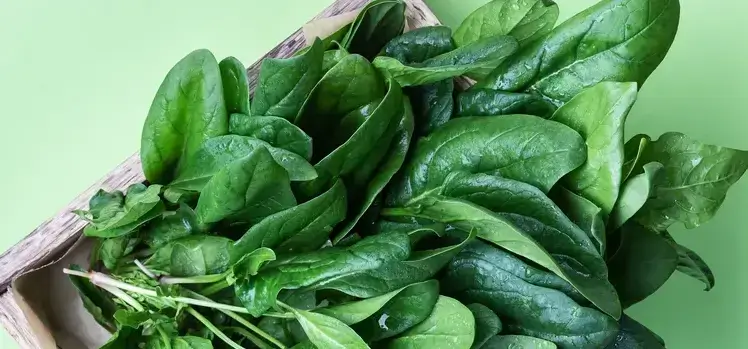
- Iron: Plant-based iron sources, such as lentils, spinach, and fortified cereals, can be just as effective as animal-based sources. To enhance iron absorption, consume these foods alongside vitamin C-rich foods like citrus fruits or tomatoes.
- Calcium: Dairy products are not the only way to get calcium. Include calcium-rich plant-based foods like kale, broccoli, almonds, and fortified non-dairy milk alternatives in your diet.
- B12: Vitamin B12 is primarily found in animal products, so it’s important for individuals following a plant-based diet to supplement with B12 or consume fortified foods like plant-based milks, cereals, or nutritional yeast.
- Omega-3 fatty acids: While fish is a common source of omega-3s, plant-based sources like flaxseeds, chia seeds, walnuts, and algae-based supplements can provide the essential fatty acids your body needs.
- Vitamin D: Adequate sunlight exposure is the best way to obtain vitamin D. However, if you have limited sun exposure, consider fortified plant-based milks or a vitamin D supplement to meet your needs.
Remember to plan your meals carefully to ensure you are getting a diverse range of nutrients. Consulting with a registered dietitian who specializes in plant-based diets can also be helpful in ensuring you meet your nutritional needs. By paying attention to your diet and making informed choices, you can thrive on a plant-based lifestyle while taking care of your health and the planet.
Plant-Based Recipes for a Healthier Planet
Embracing a plant-based diet is not only beneficial for your health but also for the planet. By choosing meatless meals, you can reduce your carbon footprint and contribute to a more sustainable future. Here are some delicious and nutritious plant-based recipes that are not only good for you but also for the environment:
- Quinoa and Black Bean Salad: This protein-packed salad is a perfect option for a light and refreshing lunch. Simply combine cooked quinoa, black beans, cherry tomatoes, diced red onion, and chopped cilantro. Drizzle with a zesty lime dressing and toss to combine. Serve chilled, and enjoy the burst of flavors and textures.
- Vegan Lentil Curry: This hearty curry is packed with plant-based protein and rich flavors. In a large pot, sauté onions, garlic, and ginger until fragrant. Add lentils, diced tomatoes, vegetable broth, and a blend of spices such as turmeric, cumin, and coriander. Let it simmer until the lentils are tender. Serve over steamed brown rice for a satisfying meal.
- Roasted Vegetable Tacos: These flavorful tacos are filled with oven-roasted veggies. Chop your favorite vegetables like bell peppers, zucchini, and sweet potatoes. Toss them in olive oil, sprinkle with taco seasoning, and roast until tender. Stuff the roasted veggies into corn tortillas and top with avocado, salsa, and a squeeze of lime for a Mexican-inspired delight.
- Chickpea and Vegetable Stir-Fry: Stir-fries are quick, easy, and versatile. Sauté a medley of colorful vegetables like broccoli, bell peppers, and snap peas in a hot wok with garlic and ginger. Add cooked chickpeas and a tangy sauce made from soy sauce, sesame oil, and a dash of maple syrup. Serve over brown rice or noodles for a satisfying meal.
- Spinach and Mushroom Stuffed Peppers: These stuffed peppers are not only visually appealing but also incredibly delicious. Cut bell peppers in half and remove the seeds. In a pan, sauté spinach, mushrooms, and onions until wilted and tender. Stuff the peppers with the sautéed mixture, sprinkle with breadcrumbs, and bake until golden and bubbling.
These plant-based recipes are just a starting point to explore the world of meatless meals. By incorporating more plant-based foods into your diet, you can make a positive impact on both your health and the environment. So, why not start experimenting with these recipes and discover the power of plants for a healthier planet and you?